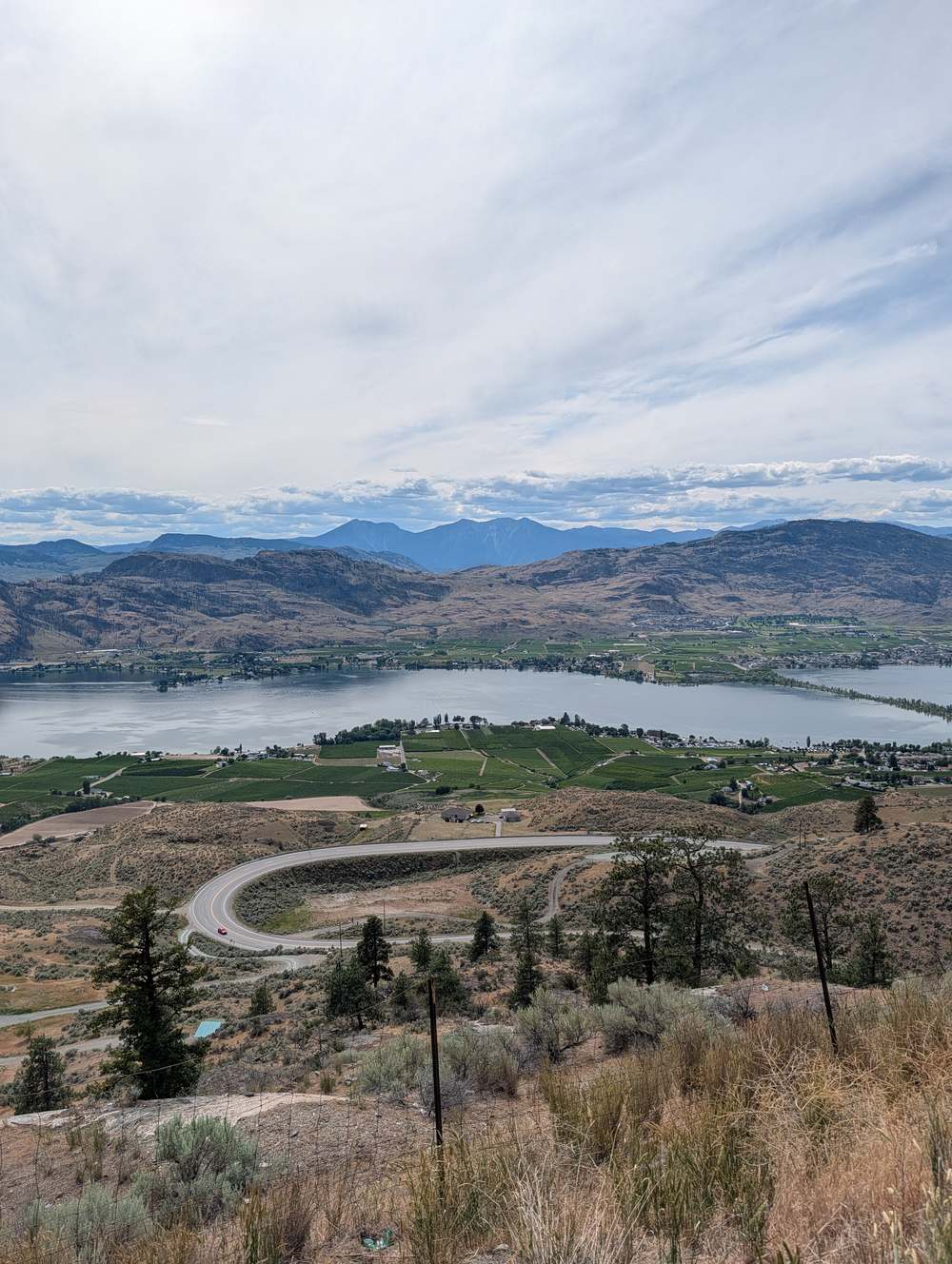
Highway switchback and vineyard valley view from Anarchist Mountain
Acreage Buyer's Guide · South Okanagan
New · July 2026

Room to breathe.
Rules to know first.

ALR zoning, well water and septic basics, fire insurance, rural road maintenance, and the financing quirks that come with acreage — explained plainly, from someone who's actually built things.
Section 1 of 8 — free preview
Please note: Pat Miazga is a licensed real estate professional, not a surveyor, well/septic contractor, insurance broker, or agrologist. This guide is general information to help you ask the right questions — always confirm zoning, water rights, septic capacity, and insurability with the relevant professional or authority (RDOS, the Agricultural Land Commission, a licensed contractor) before you buy.
01 — Why Buyers Want Acreage Here

Space is the whole point — but it comes with homework.

Acreage buyers in the South Okanagan usually want one of three things: privacy, room for animals or a hobby vineyard, or simply distance from neighbours. All of that is genuinely available here — but rural properties come with a different set of questions than a standard in-town lot, and they matter more before you buy than after.

Pat's background is in commercial construction and project management, which means these conversations tend to go a level deeper than "how many acres" — into what the land can actually support, and what it'll cost to maintain.

02 — The Basics: Well Water & Septic

Almost no acreage here is on municipal services.

Most rural South Okanagan properties rely on a private well for water and a septic system for wastewater — very different from a municipal water and sewer connection, and worth understanding before you fall in love with a listing.

What to check before you're too far in

Well flow rate and water quality (a water quality test and flow test are standard conditions on rural offers), septic system age and capacity relative to the number of bedrooms, and — if irrigation matters to you — whether the property has water rights separate from domestic well water. That last one is significant enough that we've written a dedicated Irrigation & Water Rights Guide covering it in full, and our Well Water & Rural Inspections Guide goes deeper on the inspection side.

Unlock the Full Guide

ALR zoning, fire insurance, and what acreage actually costs to maintain.

Enter your details below and the rest of this guide unlocks immediately — plus you'll get a copy emailed to you for reference.

Unlock your guide

Takes 15 seconds. No spam, just useful South Okanagan info.
By submitting, you'll receive this guide and occasional follow-up emails relevant to South Okanagan real estate. Unsubscribe anytime.
Guide unlocked — here's the rest.
03 — ALR: The Zoning Question That Matters Most

The Agricultural Land Reserve shapes everything.

A large share of South Okanagan acreage sits inside BC's Agricultural Land Reserve (ALR) — a province-wide zone created to protect farmland from non-agricultural development. If a property is inside the ALR, that status affects what you can build, subdivide, and use the land for, regardless of what the previous owner did.

What ALR generally restricts

Subdividing the property, building additional dwellings beyond what's permitted (secondary suites and additional residences on ALR land follow specific rules), and non-farm uses of the land — all typically require approval from the Agricultural Land Commission (ALC), not just the local municipality or regional district.

What it doesn't necessarily restrict

Living on the property as a principal residence, maintaining existing structures, and typical farm or agricultural use are usually fine. The issues come up when a buyer wants to do something the previous use didn't involve — a second home for a family member, a wedding/event venue, extensive non-farm business use, and similar.

If a property you're considering is ALR-zoned, this is worth confirming and understanding in detail before you write an offer — not after. Pat can help you identify ALR status early in your search.

04 — Fire Risk & Rural Insurance

Insurance isn't automatic out here.

Rural properties, especially those on hillsides or surrounded by forest, carry different wildfire risk profiles than an in-town lot — and some insurers price that differently, or decline coverage outright for properties they consider higher risk.

What tends to affect insurability

Distance to the nearest fire hall and hydrant, whether the property has defensible space cleared around structures (FireSmart principles — vegetation clearance, roofing material, etc.), and prior claims history on the property. A rural insurance broker familiar with Okanagan wildfire risk is worth involving before you're firm on an offer, not after.

Our Climate & Insurance Risk Guide covers the broader picture of drought and wildfire conditions in the valley — worth a read alongside this section.

05 — Access, Private Roads & Who Maintains What

Not every driveway is simple.

Some rural properties are accessed via private or shared roads rather than a municipally-maintained street — which means snow removal, grading, and repairs may fall to the property owners themselves, sometimes under a formal road maintenance agreement, sometimes informally.

Questions worth asking before you offer

Is the access road private or public? If private, is there a registered road maintenance agreement, and what's each owner's share of the cost? Are there any easements affecting the property — for access, utilities, or a neighbour's right-of-way? These details are usually in the title search, and worth reviewing with a real estate lawyer before subjects are removed.

06 — Financing Acreage

Standard mortgages don't always apply cleanly.

Many lenders treat larger acreage (often above roughly 10 acres, though thresholds vary by lender) differently than a standard residential mortgage — sometimes requiring a larger down payment, a specialized appraisal, or classifying part of the loan differently if the property has farm income potential.

Worth doing early

Talk to a mortgage broker experienced with rural and acreage financing before you fall in love with a specific property — not all lenders handle these files the same way, and pre-approval assumptions that work for an in-town home don't always transfer directly to acreage.

07 — RDOS Rules to Know

Local rules vary more than people expect.

Most unincorporated rural South Okanagan properties fall under the Regional District of Okanagan-Similkameen (RDOS) rather than a town or city — and RDOS rules can vary by Electoral Area, including for short-term rentals, building permits, and septic permits.

Anarchist Mountain example

Anarchist Mountain falls in RDOS Electoral Area C, which opted out of the regional business licence bylaw — meaning short-term rental operations here aren't subject to the same restrictions as, say, the Town of Osoyoos, which opted in to the province's short-term rental legislation. That said, RDOS still typically requires a Temporary Use Permit or STR permit for rental operations, and rules are periodically reviewed. Always confirm current requirements directly with RDOS Development Services before assuming a rental use is allowed.

Building permits, septic permits, and setback requirements also run through RDOS for most rural properties — worth a call to RDOS Development Services early in your search if you're planning any changes to the property.

08 — Putting It Together

A buyer's due diligence, start to finish.

TK
Illustrative Example
10 acres on Anarchist Mountain

A buyer finds a 10-acre listing on Anarchist Mountain with a view lot, well, and septic, and wants to confirm it before writing an offer.

ALR statusConfirmed not in ALR
Well flow test & water qualityMade a subject of the offer
Septic age & capacityInspected, matches bedroom count
Road accessPrivate road, registered maintenance agreement
Fire insuranceQuoted with rural broker before subjects removed
ResultConfident offer

Illustrative example — not a specific listing. Every property's due diligence list looks a little different.

The takeaway

None of this is meant to discourage you from buying acreage — it's meant to make sure the acreage you buy actually does what you want it to do, without surprises six months in. Pat's construction background means these conversations happen early, not after you're already in contract.

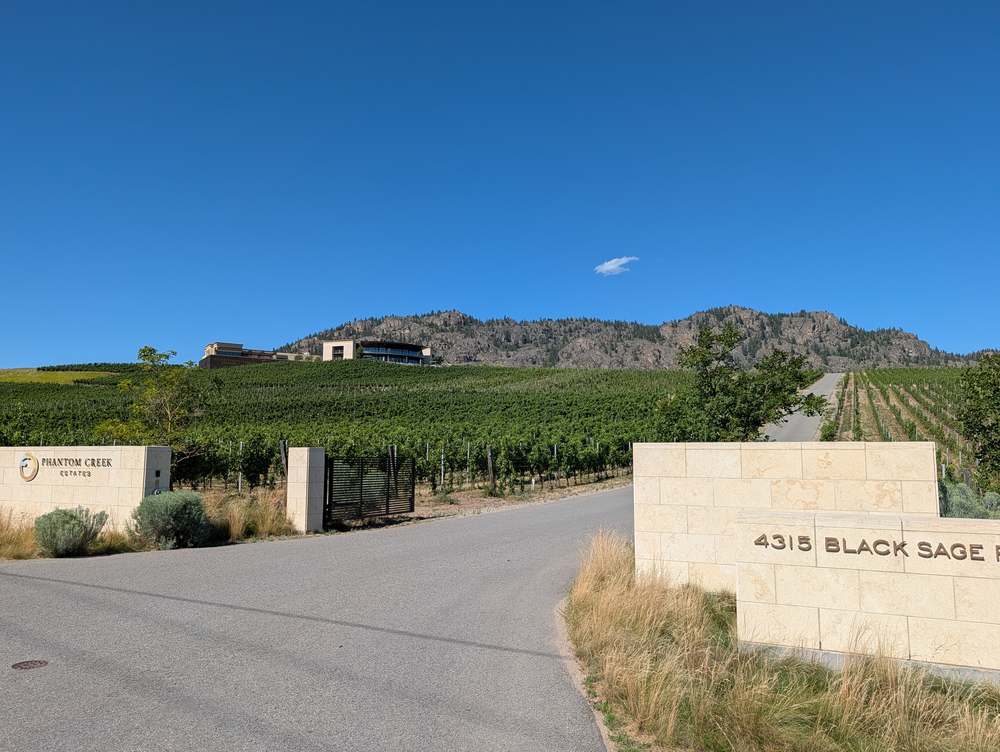
Vineyard and winery on Black Sage Road near Oliver

Looking for acreage in the South Okanagan?

Let's talk through what you actually need the land to do, and find something that fits — with the due diligence done right.