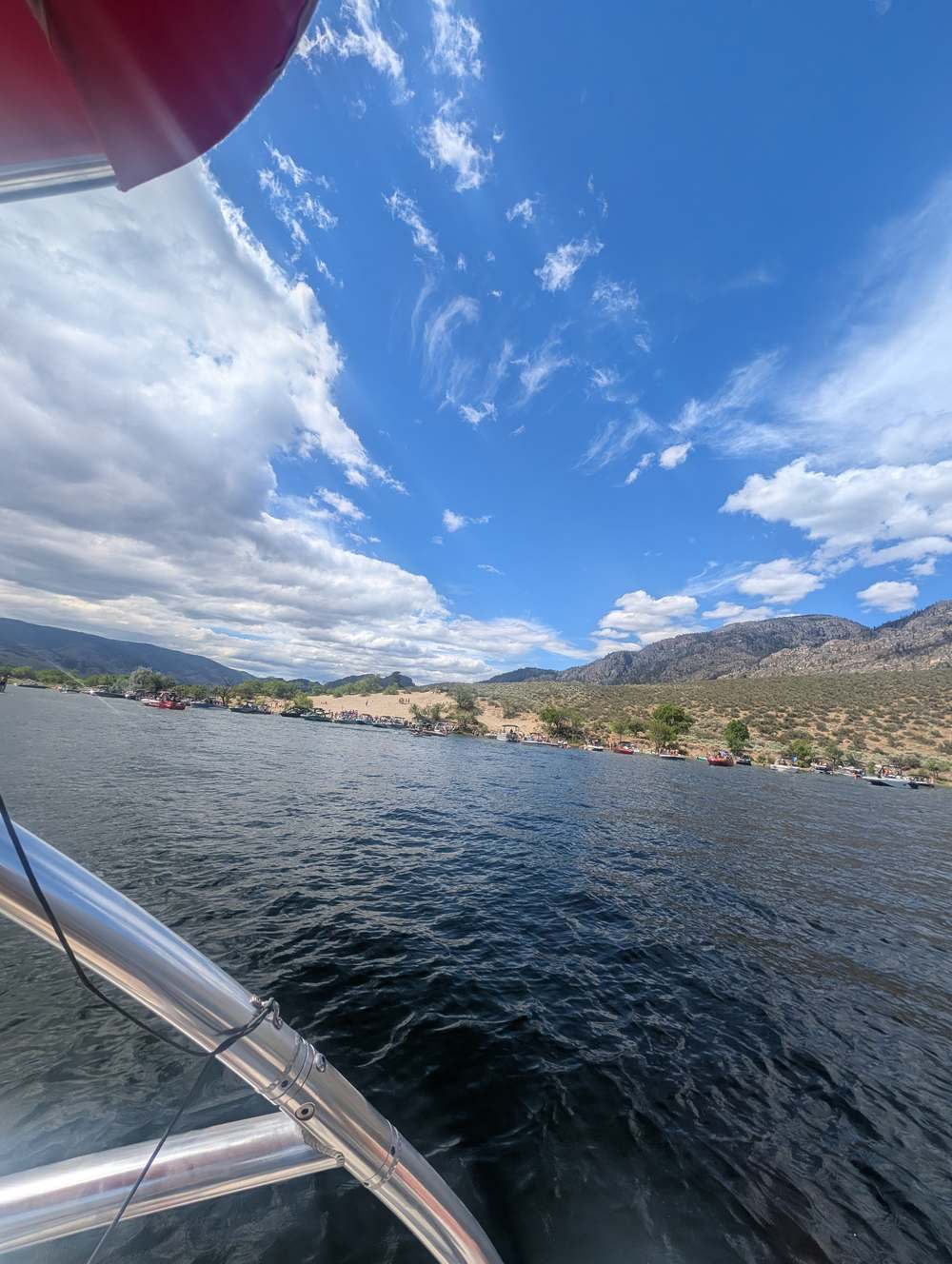
Winterizing, seasonal insurance, property management while you're away, and the tax residency line worth watching — for part-time South Okanagan owners.
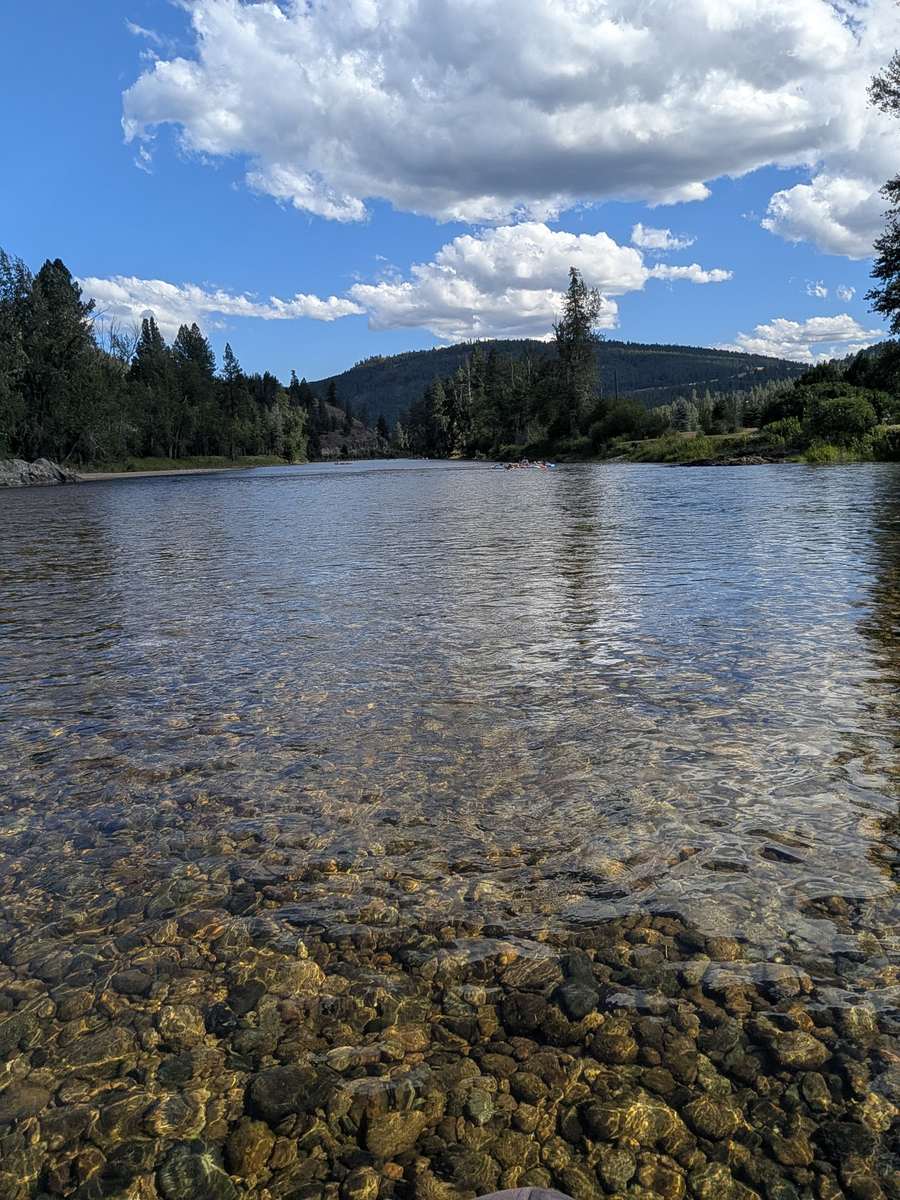
A seasonal or part-time property in the South Okanagan gives you the lifestyle — the lake, the wineries, the warm months — without committing to full-time residency. It's a genuinely popular pattern here, especially among retirees who split time between the valley and elsewhere, whether that's Alberta, the Lower Mainland, or somewhere warmer in the winter.
The trade-off: a property that sits empty part of the year needs a plan, both for the building itself and for the paperwork around owning it part-time.
Enter your details below and the rest of this guide unlocks immediately — plus you'll get a copy emailed to you for reference.
A property left unattended through an Okanagan winter needs specific preparation to avoid frozen pipes, pest issues, and insurance complications — steps that go beyond what a full-time resident needs to think about.
Most insurers require either the water system fully drained and shut off, or heat maintained at a minimum temperature throughout the vacancy — check your specific policy requirements.
Many insurers require documented property checks (often weekly) for a vacant property — an unmonitored empty home for months can void coverage after a claim.
Especially relevant for hillside and rural properties — accumulated snow needs monitoring or clearing to avoid structural issues.
Most standard home insurance policies have a vacancy clause — coverage can lapse or reduce significantly after a property sits empty for a defined period (commonly 30 days, though it varies by insurer). A seasonal property needs a policy specifically written for part-time or seasonal occupancy, not a standard year-round homeowner policy.
Talk to an insurance broker about seasonal/vacant property coverage specifically, including what check-in frequency and heating requirements they'll expect for the policy to remain valid. Our Climate & Insurance Risk Guide covers the broader wildfire and insurability picture for the valley.
Beyond insurance-required check-ins, many seasonal owners arrange a local property manager or trusted local contact for mail collection, occasional walkthroughs, and being the first call if something goes wrong — a burst pipe caught in week one is a very different problem than one caught in month three.
If you're considering renting the property out short-term while you're away, short-term rental rules vary significantly by municipality here — see our Investment Property Guide for the details.
If you're a Canadian splitting time between provinces, provincial tax residency generally follows where your primary residential ties are — which can affect health coverage and provincial tax filing if you're genuinely splitting time close to evenly.
US day-count rules (the "substantial presence test") can affect US tax residency status for Canadians spending significant time there each year — generally something to watch if you're in the US more than about 4 months annually across a rolling period. This is a genuinely technical area; if you split meaningful time between countries, a cross-border tax accountant is worth the consultation.
Let's find something that fits how you'll actually use it — and talk through what it takes to leave it well.